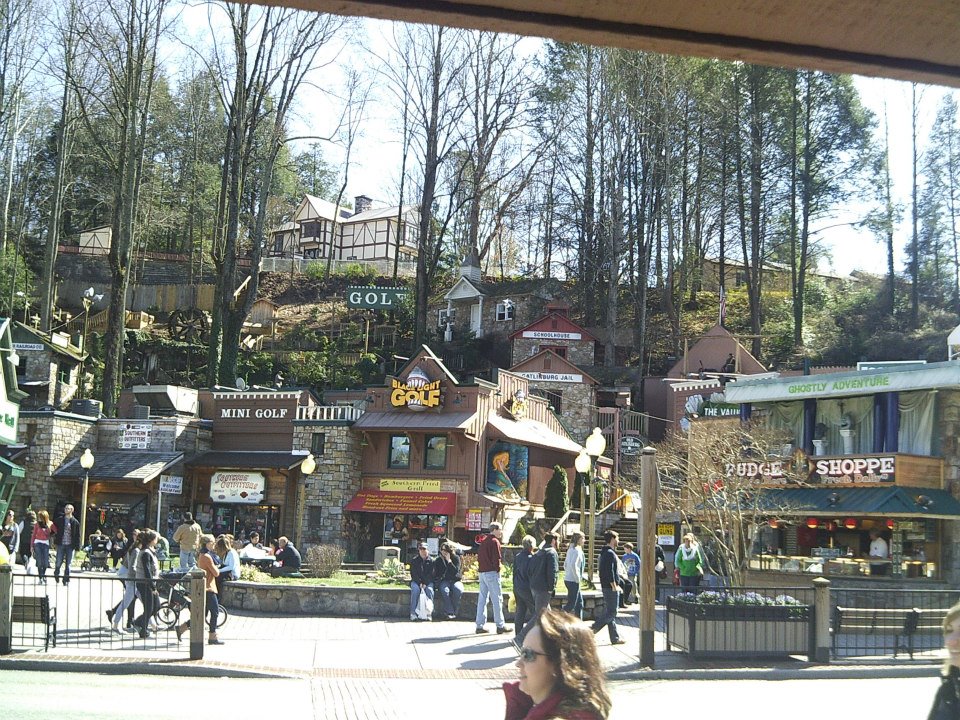
Have you ever looked at a mountain and thought what would it be like if you and a bunch of your friends had a giant festival on it? Well, you don’t have to wonder anymore because a visit to the Pigeon Forge/Gatlinburg area has that on display all year round. Gatlinburg and the adjacent community of Pigeon Forge feature hundreds of hotels, cabins, chalets, and etc. Along with everything you would find in a carnival, a Dolly Parton theme park, an aquarium, a Ripley’s believe it or not museum, skiing opportunities, and it is the gateway of the Great Smoky National Park. Gatlinburg and Pigeon Forge weren’t always the place you go to vacation, the highlighted community series will take you back in time to where logging was key, a time in not too distant past when a wildfire threatened the area, and then transport you to the present state and talk about what makes this place one of the best and well-known tourist locations in all of the South.
Location:
Latitude and Longitude: (using downtown Gatlinburg, TN as a reference): 35.73 degrees N and 83.49 degrees W
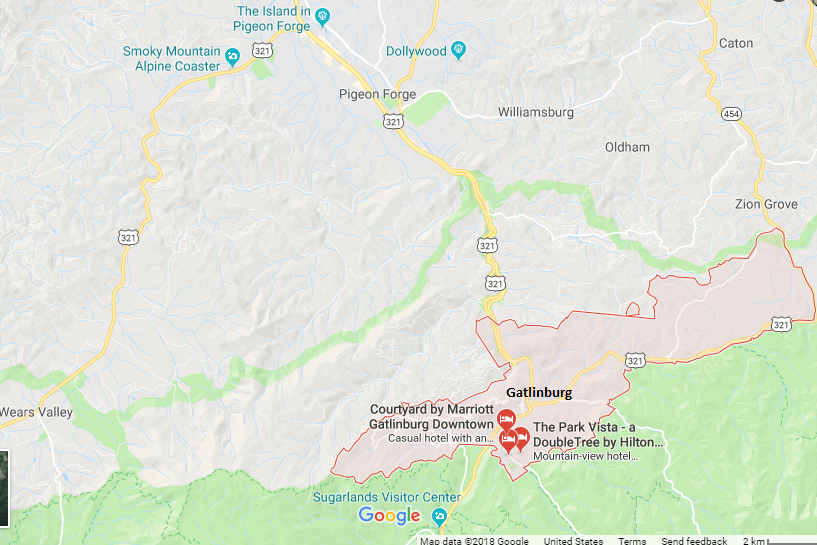
Gatlinburg and Pigeon Forge are located in the foothills of the Smoky Mountains in Sevier County in the eastern part of the state. Gatlinburg stands at around 1,200 feet in elevation and Pigeon Forge is around 1,000 feet-ish in elevation. Gatlinburg is the gateway to Great Smoky National Park.
Gatlinburg and Pigeon Forge contain Humid Subtropical Climates that are not much different from elsewhere in Tennessee, but higher elevations nearby would likely contain a Humid Continental Climate with colder winters and more mild summers that would be more like the Upper Midwest in character versus Gatlinburg and Pigeon Forge. Both Pigeon Forge and Gatlinburg contain warm to hot summers with plenty of humidity, cool to mild winters, and contain a transitional fall and spring season. Gatlinburg and Pigeon Forge’s proximity to the mountains can occasionally cause damaging wind events known as mountain waves. This occurs in a stable airmass where southeastern winds blow perpendicular across the NE to SW oriented Smoky Mountains. Like water rushing over a boulder the water wants to flow downhill so it will create waves downstream, the same principle applies here to winds moving over the mountains. Wind gusts of 50-80MPH+ can occur with these events. These winds can sometimes extend down into Gatlinburg and were one of the factors that helped spread the devastating wildfire of 2016.
History: Before the Tourists Came
Eastern Tennessee’s 500+ Years of Recorded History
This area’s geology consists largely of metamorphic rock which records over 500 million years of continental movement including multiple continental collisions and mountain building events. Rocks in this area are a mixture of sedimentary sandstone, siltstone, and shale with some metamorphic rock types such as phyllite and quartzite. Two mountain-building events (aka Orogenies) have impacted the Geology of this area.
1) The Grenville Orogeny: This occurred around 1 billion years ago with remnants of this event in parts of the Appalachians The importance of this event is that when the Grenville Mountains eroded they produced the sediment which formed the rocks that we see today in the area.
2) Appalachian Orogeny: A series of three mountain-building events that occurred in three parts between 450 and 250 million years ago. This mountain-building event formed the Appalachian Mountains.
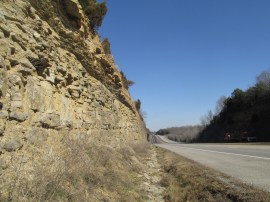
Since this area has been a center for mountain building over the last billion years this is also a great place to see what happens to rocks when they get too stressed such as what happens when two continents collide. When enough heat and pressure is applied to rocks they will crack, bend, fold, and in some cases even melt. We can see this in the rocks in the Pigeon Forge and Gatlinburg area as folds, faults, and joints are common in the rock strata in this area. Some of the sandstone and shale have been subjected to so much pressure and heat that they have turned into different rocks themselves the shale becomes phyllite and the sandstone becomes quartzite in a process known as metamorphism.
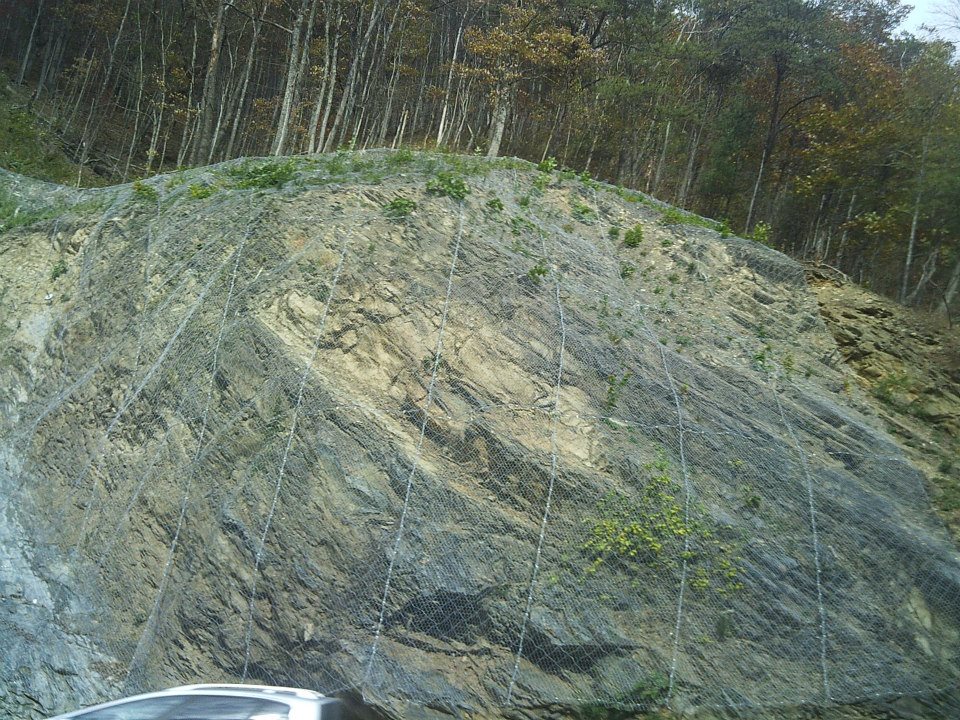
When you have folded, faulted, and steeply dipping rocks there is always a threat of falling rocks or rock slides. This can occasionally lead to road closures with one such event a few years ago closing a major highway between Gatlinburg, TN, and Cherokee, NC. Because of the landslide threat, you will often see what is known as rock nets (Figure 4) that help stabilize the slope and prevent loose rocks from falling down on to the highway.
The State of Franklin
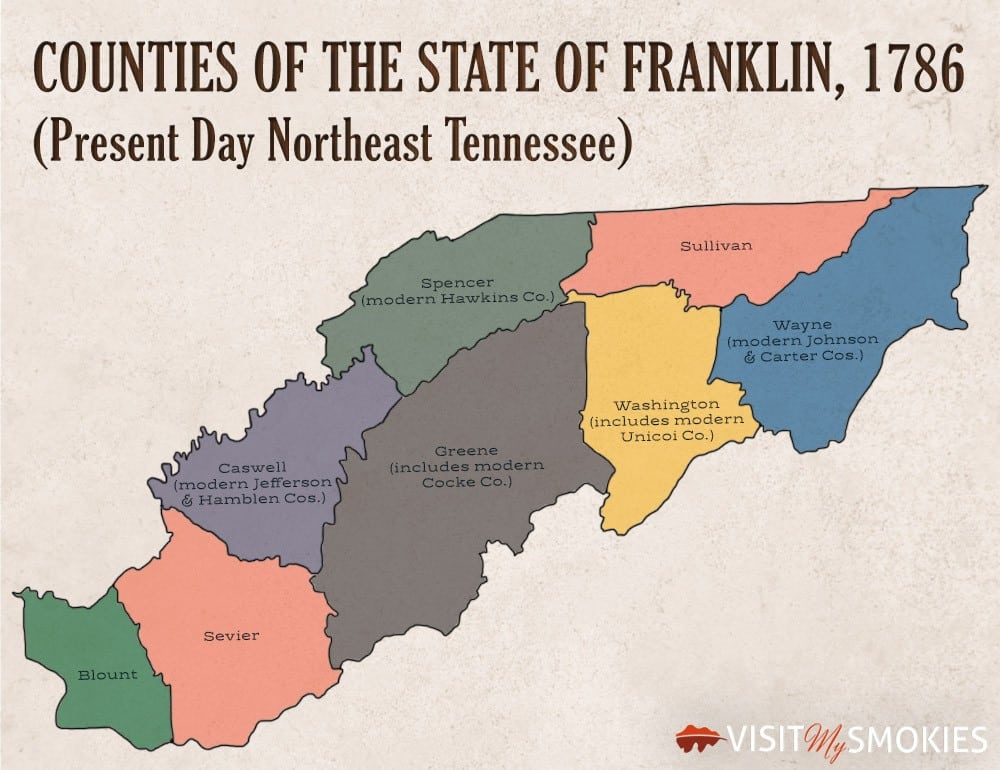
Gatlinburg and Pigeon Forge almost weren’t part of the state of Tennessee. After the Revolutionary War, Eastern Tennessee was frontier land for the new country. Initially, this land was given to US Congress by North Carolina to pay its war debts and then it was given back to North Carolina but they didn’t know what to do with it and the citizens were concerned that North Carolina would not provide protection for its residents who feared an attack by Native Americans. Fifty men including John Sevier (who Sevier County is named after) attempted to establish Franklin and secede from North Carolina. Franklin stayed around for 4 years (1784-1788) but after a skirmish with North Carolina and increasing threats of attacks by Native Americans the idea of Franklin was abandoned. Modern Sevier County briefly became the Southwest Territory before finally becoming part of the new state of Tennessee in 1796.
Pigeon Forge and Gatlinburg Come to Be:
https://www.pigeonforge.com/plan-your-visit/historical-information/
^^ This link was used to provide much of the information in this section ^^
In 1820 a man named Issac Love built an Iron Forge in the wilderness of Eastern Tennessee. This iron forge would be the center focus of a new town in Eastern TN that we now know as Pigeon Forge. The pigeon part of the name comes from the now extinct passenger pigeon (Figure 4). Another town just east of Pigeon Forge named White Oak Flats was known as a center of logging due to the proximity of the great forests of the Great Smoky Mountains. This town was settled by a brave woman, her children, and a few family members who decided to settle this wilderness. Logging would initially become the primary source of income for the residents as loggers would live and work across the forests of the Great Smoky Mountains. This logging town would become Gatlinburg.

Civil War History
Tennessee may have been a part of the Confederacy but not everyone in the state was on board. Eastern Tennessee became known as an area with a strong tendency to sympathize with the cause of the Union Army and this included Sevier County. No major battles were fought in Sevier County although skirmishes did occur. Most of the major battles in Eastern TN were fought around Knoxville and around Chattanooga and Lookout Mountain.
From Logging to Tourism:
https://www.elkspringsresort.com/things-to-do/history/
^^ Use this link for even more information on this topic ^^
As logging increased in the Gatlinburg region the need for railroads also increased. These railroads not only allowed for logging supplies to be transported from the Smoky Mountains to areas back west such as Knoxville but also exposed passengers to the natural beauty of the Smokey Mountains. It was art and literature that really sparked the curiosity of the nation, particularly the works of Mary Noailles Murfree especially the book In the Tennessee Mountains (1884) and the work of Horace Kephart where he describes living in the wilderness of the Smokies in 1906. These authors inspired people across the country to come to the area around the start of the 20th Century.
The first school was built in the area in 1912 and linked to the Arrowmont School of Arts and Crafts, which provided a creative environment to students who were struggling with poverty. At this same time, a movement was growing to turn the Smoky Mountains into a National Park to prevent further degradation of the land by loggers. The journey to get the Great Smoky National Park was a tough one as lumber and paper companies along with hundred’s of farmers were housed or were living there. It took a great effort by nature seekers, the arts and craft communities, conservationists, motorists, and support groups to create this park. This park was created in 1940 thanks to the help from many support groups and the Laura Spelman Rockefeller Memorial Fund to produce $10 million dollars to buy the land from the companies and farmers. During this time the Civilian Conservations Corp would come to the area to help create and maintain the national park and many of its residents decided to stay in the area.
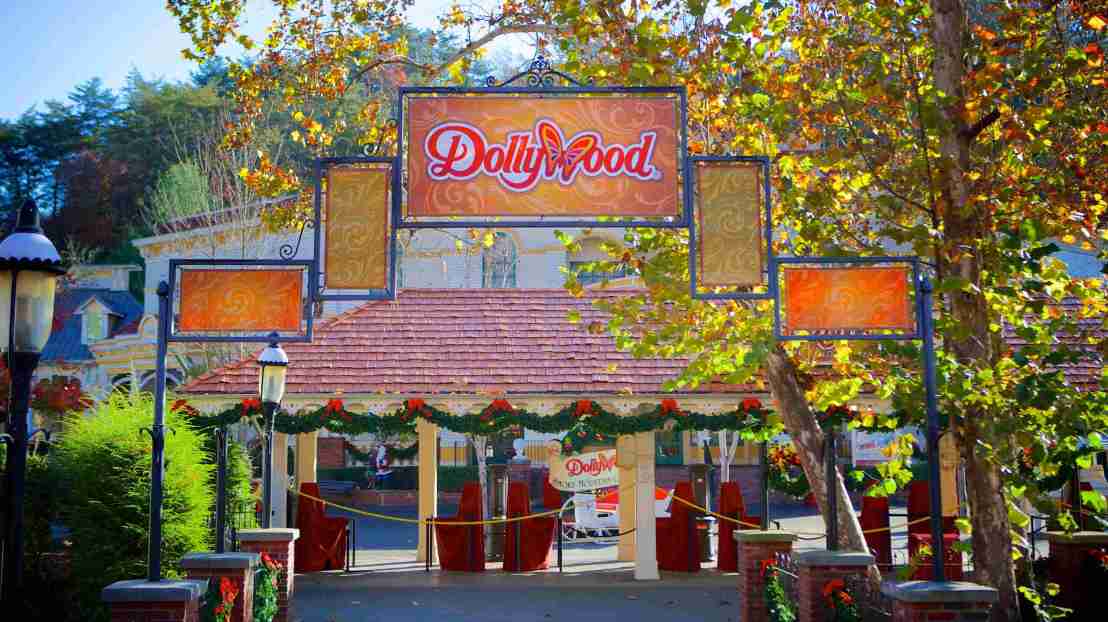
In 1937, Glades or the Smokey Arts and Crafts Community created and sold goods to the residents of Gatlinburg. With the creation of a new national park nearby and growth of the community, this became a mecca for artists to create art and to sell them. Over time more artists would flock to the area and bring more tourists and this process would continue through today. The growth and artistic flavor inspired different businesses to come such as Pancake Pantry in 1960, Ober Gatlinburg (Tennessee’s only Ski Resort) opened in 1962 and ever since more businesses have opened. At the same time in Pigeon Forge a small-scale attraction which was known as Rebel’s Railroad which featured a train, saloon, and blacksmith shop started to gain a lot of attention in 1961. This small attraction would add more features and become known as Goldrush Junction before being bought out by the owners of Silver Dollar City in Branson, MO which added rides to the park, but the major event occurred in 1986. In 1986, Dolly Parton who grew up in the area bought an interest in the park and to this day this park is known as Dollywood. Dollywood currently contains over 40 rides including 3 water rides and 8 roller coasters. The most famous and recent addition is an RMC Roller Coaster known as Lightning Rod (see the video by Theme Park Review below). Dollywood also contains a nice Smoky Mountain Theme.
Trial By Fire
Things were going well but at the end of November 2016 the area who have to deal with a setback due to a combination of an arson, a historic drought, and a mountain wave event. On November 23rd a fire started in the Chimney Tops area. During the first several days the fire stayed within its natural containment area, but humidity values began to rapidly drop due to the historic drought that plagued the area throughout much of 2016. On November 28th when a mountain wave event developed in a stable airmass that was downstream from a major low-pressure system the fire quickly spread. In addition, fires formed in and around the cities of Pigeon Forge and Gatlinburg due to the dry ground and downed powerlines caused by wind gusts as high as 87MPH. Once the fire was finally extinguished in early December over 2,000 structures were damaged and destroyed, 14 people lost their lives, and over $500 million dollars of damage was inflicted. Many homes, summer homes, cabins, and some restaurants were burned to the ground. It will take time for the forest to repair itself although one positive about the fire from a forest ecology standpoint is that the fire did get rid of a lot of the decaying trees and old growth, which will allow for new growth of the forests to occur. The link below shows Gatlinburg as of November 2017 versus right after the wildfire. Thankfully, the fire spared Dollywood and Ober and overall the fire damage did not scare the tourists away. The fire was a setback that thankfully Pigeon Forge and Gatlinburg recovered from pretty quickly.
https://www.al.com/outdoors/index.ssf/2017/11/gatlinburg_one_year_after_the.html

Conclusion:
Pigeon Forge and Gatlinburg are perfect places for your mountain getaway. There are fair/carnival style rides, almost every type of museum (Titanic, Ripley’s Believe it or Not, Historical, etc) every type of restaurant you can think of, a sky lift, their own version of the space needle, an aquarium, a great theme park, excellent scenery, and a solid choice of cabins and chalets to choose from. It is the ultimate mountain resort town in the Southeastern USA. In addition, the opportunities in Great Smoky National Park (which is going to the subject of its own blog post later on down the road) for the nature lover are endless. With that being said there are a few considerations that you need to know before you go.
- The traffic is very heavy. During the busier times you can expect to see heavy traffic all the way to I-40 at Sevierville. I would avoid scheduling things on a tight time window because if anyone gets into a wreck or there is any construction then you can expect some potentially lengthy delays on the main drag (US 441). At least moderate traffic can be expected pretty much year round with very heavy traffic on or around any holiday and during any summer or fall weekend. You could maneuver around the main stretch a bit in Sevierville and Pigeon Forge, but your travel options to Gatlinburg itself from Pigeon Forge are pretty limited as in either the main drag (US 441) or TN 416 and 454 which you would get on east of Sevierville and take you to just east of Gatlinburg but then you can take US 321(East Parkway) to get into town.
- It can get pretty pricey especially if you are from a lower cost of living area and you are not used to it. This is probably not the trip you want to take if you are on a tight budget. It should be noted that with so many things to do that the cost will add up on you pretty quickly so it is important to keep track of that. $20 here, $50 there, and $30 over here can add up into the hundred’s or even thousand’s of dollars if one is not careful. The time of year and time of week will really factor in as well with the cost. Typically choosing weekdays versus weekends and staying away from popular holidays will save you a bit of money (especially lodging).
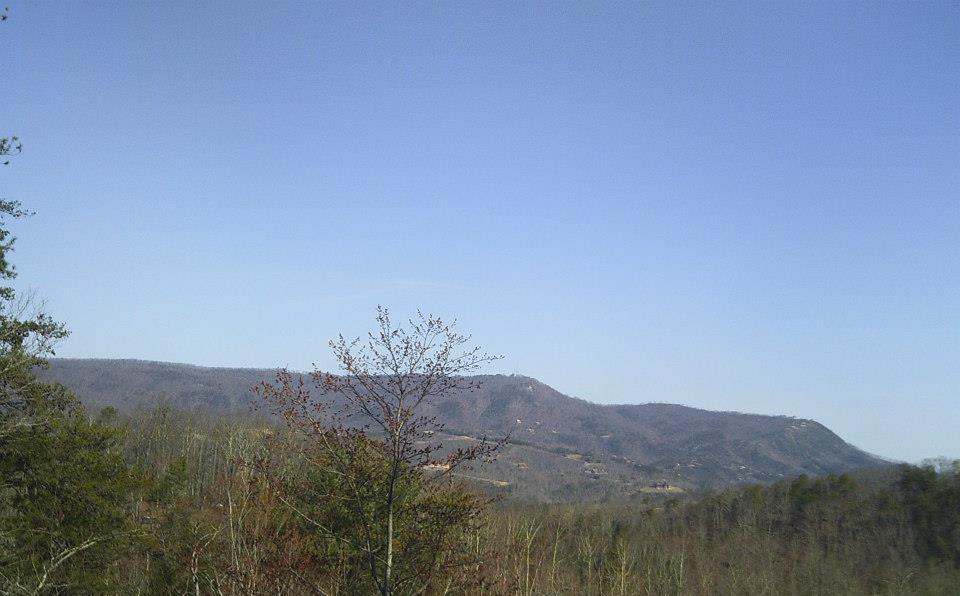
If you have the time and the money I would definitely recommend a visit to this area. You don’t have to even partake in the events on the main drag of Pigeon Forge or Gatlinburg to have a good time, sometimes all that is needed is just a nice mountain view and some relaxation time.
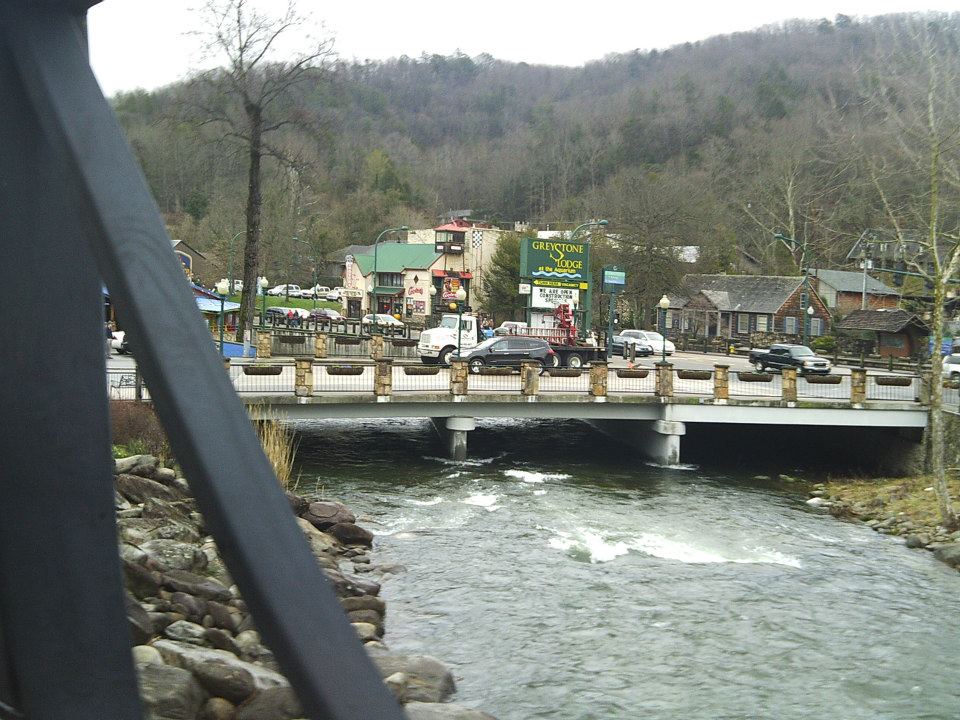
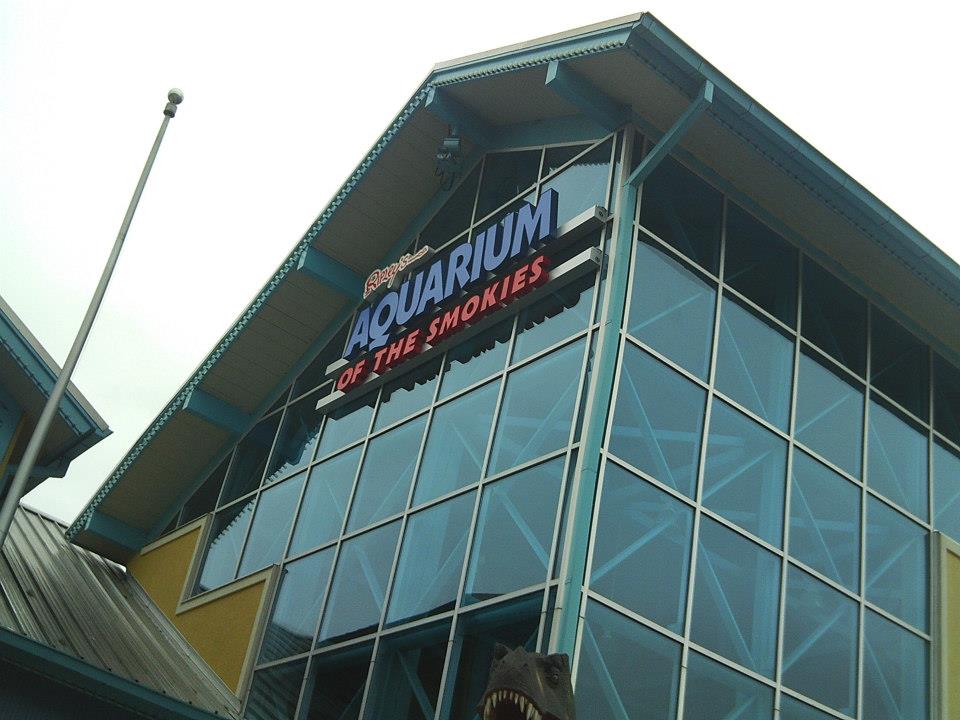
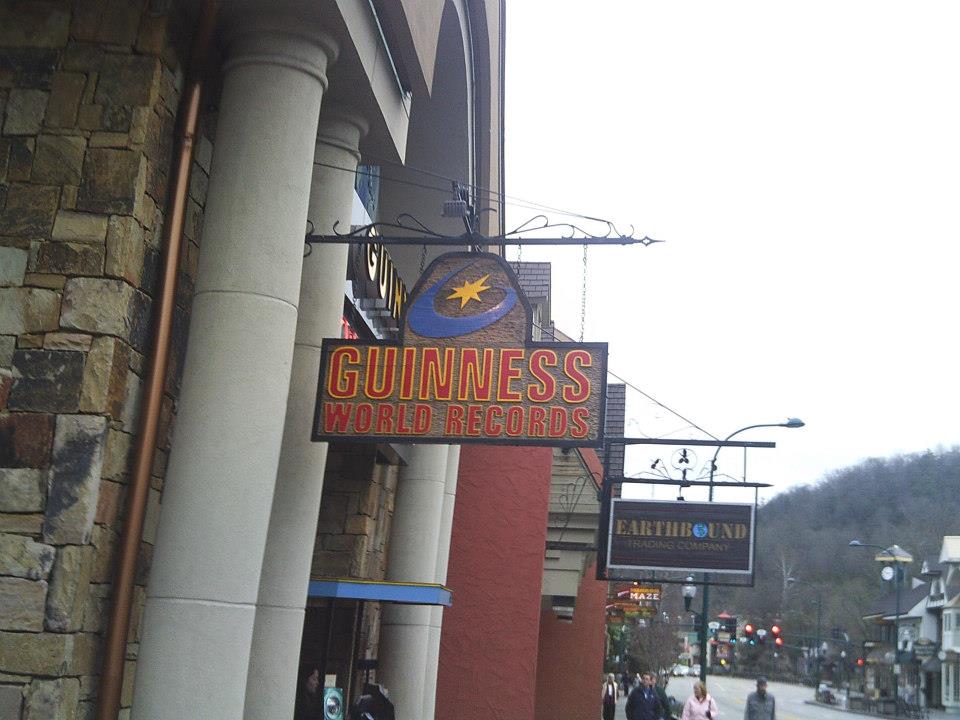
I hope you all have enjoyed this overview of Gatlinburg and Pigeon Forge and have a better appreciation of the area in general and its history. Next up in the highlighted community series will be the city of Clarksville, Tennessee before heading up into my hometown. I have some additional pictures of the area that are posted below.
 Upland-South Science