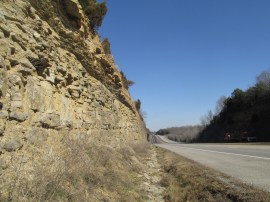
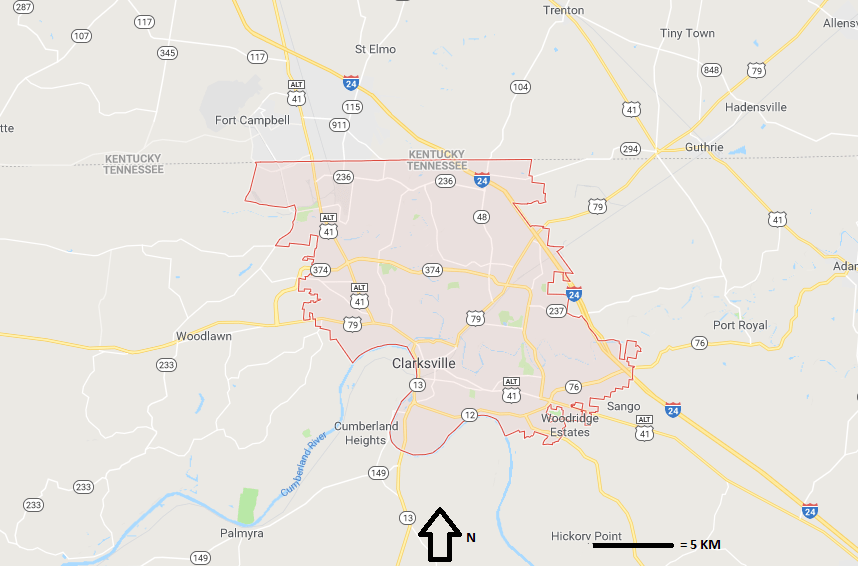
It is called the Gateway to the New South, Queen City of the Cumberland, Tennessee’s Top Spot, and a primer place for Ft. Campbell troops. This is home of Austin Peay State University and the birthplace of one of the greatest female athletes in the USA Olympics. Nestled at the junction of the Red and Mighty Cumberland Rivers, here is the city of Clarksville, TN.
Location:
Latitude: 36.53N
Longitude: 87.32W
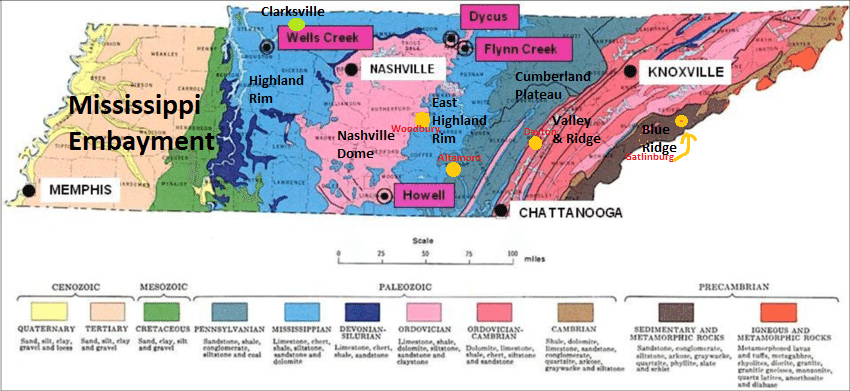
Clarksville is located at the juncture of the Red River and Cumberland River in Northwestern Middle TN. Clarksville is located about 40 miles northwest of Nashville and the northern edge of the Clarksville is right across the state line from Kentucky. Geologically, Clarksville is part of the Highland Rim and consists of a rolling hill topography due to its karst terrain.
Clarksville, TN has a Humid Subtropical Climate with hot and humid (sometimes very humid) summers. Winter is very variable with annual amounts of snow that range from nothing to over 20 inches of snow, but the average is around 9 inches. Spring and Fall are variable sometimes they are cool and sometimes they are continuations of either Summer or Winter. Tornadoes and severe storms are common threats in this area as well with the city being victim to several tornadoes in its history. Severe weather and tornadoes can occur anytime during the year in the Clarksville area.
Clarksville’s Geology:
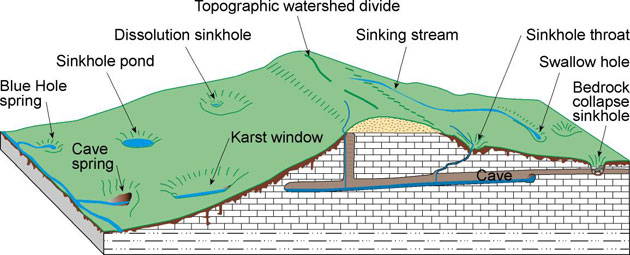
Clarksville is located in a classic karst area. Karst is a landscape where you have bedrock that is prone to dissolution (limestone and dolostone are the most common) which create a landscape that contains abundant sinkholes, caves, and sinking streams. Karst landscapes are especially prone to pollution due to the interconnect feature of the caves and sinkholes down below (see Figure 3) and that there isn’t anything to filter out any pollutants. One key feature in Clarksville is Dunbar Cave which is a state park that contains a hiking trail and used to feature cave tours, but due to White Nose Syndrome, which is a fatal fungus that kills bats. Ever since then the cave has been off-limits to the public. Dunbar Cave has obtained a bit of a notorious reputation, especially in 1997 when the bodies of two women were discovered there. They were murdered by serial killer Paul Dennis Reid Jr who killed seven people at three different fast food restaurants across the Clarksville and Nashville, Tennessee areas. Reid Jr. was arrested and sentenced to death but he died in prison due to health issues before he was executed.
The limestone responsible for Clarksville’s karst is the St. Louis Limestone a cherty and fossiliferous limestone is outcrops around the city. This limestone was formed over 330 million years ago when Clarksville was part of a shallow and tropical sea similar to the Bahamas. This is the same limestone that we talked about in the Corydon, Indiana post that contributes to cave development in that area. Fossils of ancient coral communities are fairly common in the rocks in and around Clarksville (see Figure 4).
Clarksville’s Early History:
http://visitclarksvilletn.com/about/the-history-of-clarksville-montgomery-county/
^^ This link provides a timeline for Clarksville ^^
Clarksville, TN was founded in 1784 at the junction of the Cumberland and Red River junction. A lot of communities were founded at the junction of rivers because it makes them easier trade posts especially since it would take several decades for the railroad system to come out and over 100 years before the automobile, so the rivers were essentially the highways of the past.
Clarksville was established as part of Tennessee County and eventually becomes Montgomery County when Tennessee became the 16th state. In 1808, the Leaf Chronicle was established and became the oldest running newspaper in the state of Tennessee. In the Civil War, Fort Defiance was established to prevent attacks from the Union as Tennessee was part of the Confederacy but it fell in 1862. A major battle occurred not that far from Clarksville in Fort Donaldson just one county to the west. The first bank to be entirely run by women also was located in Clarksville.
Clarksville’s Modern History (1900-Present):
There are several key modern events that occurred that cause Clarksville to boom and become the city it is today. The first event was the cultivation and popularity of Dark Tobacco. Northwestern Middle TN and adjacent parts of Western KY and South-Central KY are prime lands for growing dark tobacco and Clarksville’s proximity to the Cumberland River allowed for the city to become a major trade post for the dark tobacco crop. Tensions between a banking trust and their allied farmers versus another group of farmers that formed an association which allowed for farmers to sell their product at a higher price began to occur. This lead to the Black Patch Tobacco Wars which led to tension across Northwestern Middle TN and Western Kentucky and even raids of Kentucky towns which will be described in more detail in the Hopkinsville post.
The second major event was the establishment of Camp Campbell during World War 2 (eventually Fort Campbell) along the KY/TN border including areas in the northern section of Clarksville. Fort Campbell is a premier army base with a very strong reputation in aviation. The vast majority of the soldiers moved to the city of Clarksville as the city developed a welcoming reputation for the soldiers. This was a major event that caused Clarksville to go from a population of around 16,000 people in 1950 to over 50,000 people in 1980. Now Clarksville just reached 150,000 people as of 2017 and is a set to overtake Chattanooga as the 4th largest city in Tennessee in the coming years.
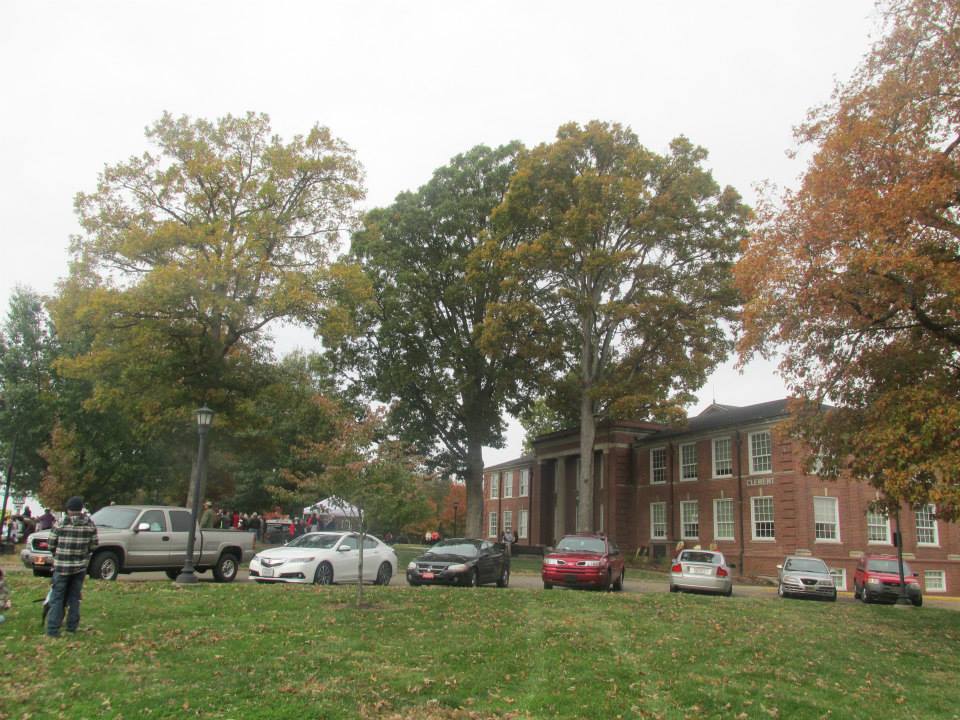
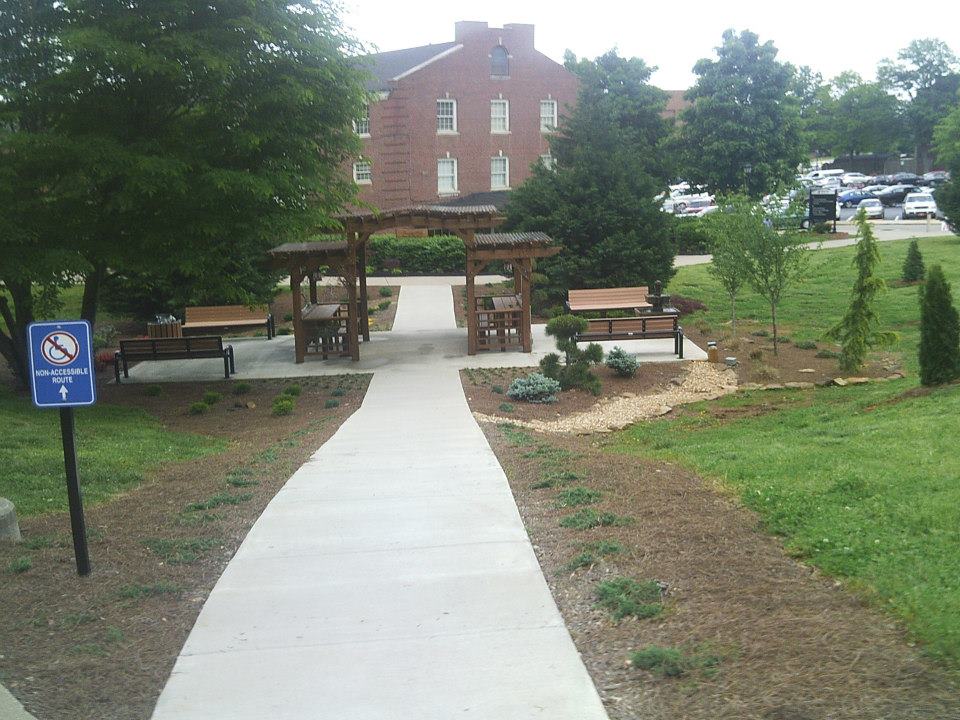
Another major event was the creation of Austin Peay State University. First Rural Academy was founded here in 1806 but then eventually Austin Peay was founded in 1927 and named after the state governor of that time. Austin Peay State University now has around 9,000 to 10,000 undergrads and around 900 graduate students. They are known for their cheers of Lets Go Peay and Show Me Your Peayness both which will generate a lot of laughter among your family and friends if you say them and the latter would probably get you in trouble in the wrong circumstances.
Occasionally nature would throw in a wrench in the plans of Clarksville. Three tornadoes have impacted the city of Clarksville with notable damage. The first one was during the Enigma Outbreak of 1884 where a tornado impacted the city of Clarksville. The most known tornado was a strong F-3 tornado that touched down during the wee morning hours of January 22nd, 1999 with severe damage inflicted to the downtown area and to Austin Peay State University with several buildings damaged. The Leaf Chronicle office had to briefly move to Hopkinsville because their office was damaged in the tornado. Thankfully, no lives were lost in this storm. This past February a strong EF-2 did damage to several structures on the eastern/southeastern sections of town.
River flooding is also a big-time issue. The worst occurred during May of 2010 where upwards of 19 inches fell across parts of Middle Tennessee. This water eventually ran off into the Cumberland River Basin and caused the highest flood crest on the Cumberland River at Clarksville in recorded history. As a result million’s of dollars in damage was inflicted to businesses along the river and Austin Peay and Downtown Clarksville were left isolated from the rest of the town for several days.
The Birthplace of Wilma Rudolph:
https://www.biography.com/people/wilma-rudolph-9466552
^^ Use this link for even more information about more Wilma Rudolph ^^
Wilma Rudolph was born in the city of Clarksville, TN in the year of 1940. Wilma Rudolph wore a brace on her leg and was very sick due to polio and other complications but in 1956 she competed in the Summer Olympics and in 1960 she became the first American women to win three gold medals in field and track. She won the AP Female Athlete of the Year in 1960 and 1961 and retired to become a teacher and a coach. She passed away due to brain cancer in 1994. She became one of the most well-known female athletes and is an inspiration for all because she had to not only overcome polio but also had to overcome segregation and the Jim-Crow laws of the South at that time.

Clarksville Today:
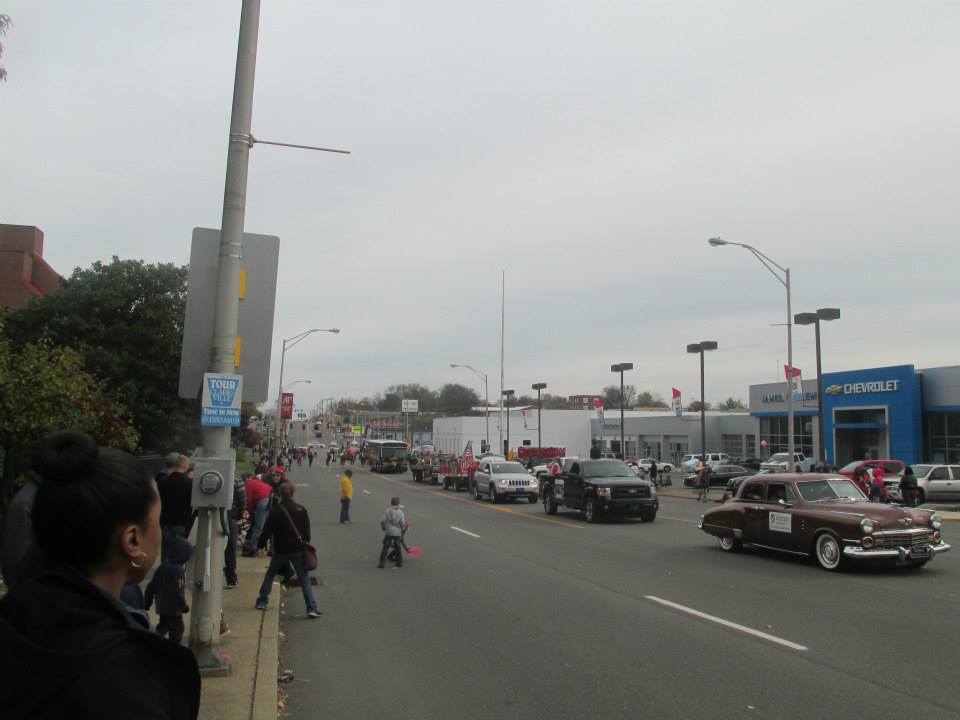
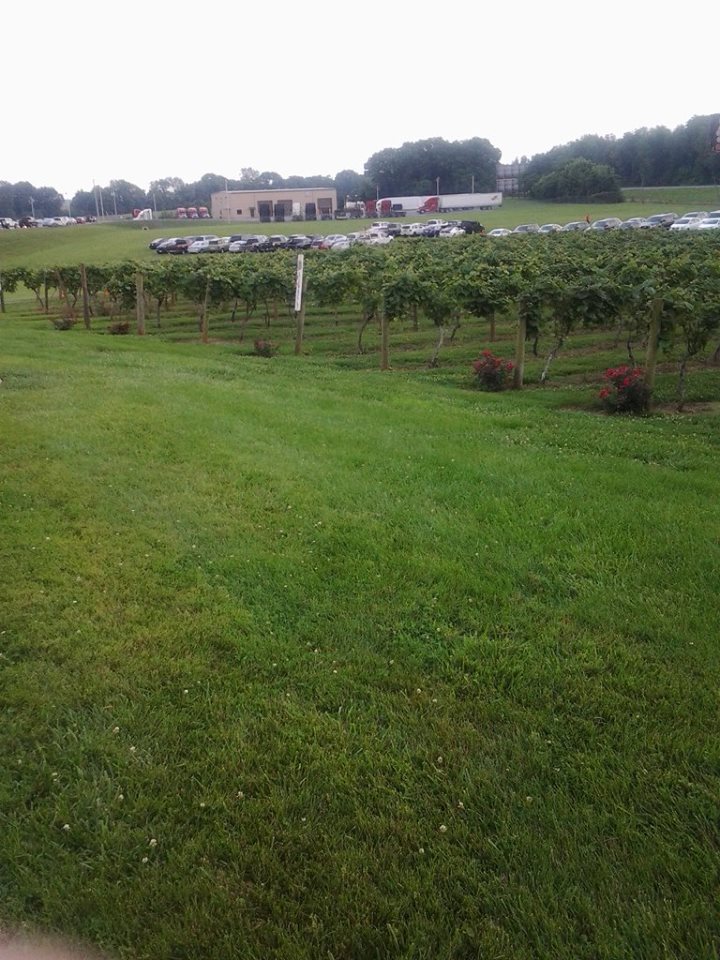
Today Clarksville, Tennessee contains over 150,000 people and is closing on Chattanooga for the title of the 4th largest city of Tennessee. Its economy is powered by Fort Campbell, Tennova Health Center, Education (both K-12 and APSU), Google, manufacturing, and a plenty of service jobs. As the cost of living in nearby Nashville increases some people are choosing to live in Clarksville and commute to Nashville, this is especially true in the Sango area on the southeast side of town. Events and attractions in Clarksville include the North Tennessee State Fair, Beechhaven Winery and Jazz on the Lawn, Austin Peay State University’s Homecoming, Dunbar Cave State Park, Clarksville Riverfest, Liberty Park, its downtown area, and the McGregor Park Riverwalk. The city of Clarksville is also within 1 hour of Nashville as long as the traffic on Interstate 24 isn’t too crazy. The city is also within 1 hour of Land Between the Lakes a scenic recreational area that runs across western parts of Kentucky and Tennessee.
Conclusion:
Anyone who wants to see all of the major sites of Tennessee should visit Clarksville. Just a stroll downtown or along the Cumberland River would be a great addition to a Nashville or Land Between the Lakes trip. Beechhaven’s Jazz on the Lawn is a must for anyone who enjoys wine and live music. Blackhorse in downtown is a must for burger lovers. There is also just enough nightlife and fun things to do to hold one over for those who don’t feel like making the trek down to Nashville. All and all go visit Clarksville and share this blogpost and be on the lookout either Sunday or Monday for the Hopkinsville Highlighted Community post. In honor of my alma mater “Lets Go Peay”.and enjoy more photos of Clarksville.
 Upland-South Science